Once the first factory on the De Haven industrial estate, now a lively creative hub for artists, entrepreneurs and events.
Contents
NV Sluis Machinefabriek begins building its own factory complex on the Tussendiepen, as the first company on the new De Haven industrial estate.
The factory produces, among other things, silos and conveyor belt components.
NV Sluis Machinefabriek goes bankrupt.
Hofstra starts a bus museum; that same year the first artists move into studios in the factory halls.
Hollema Bouw takes over the building from Hofstra.
Craftwurk starts organising events and activities in De Sluisfabriek.
The first major events take place, and the municipality of Smallingerland cooperates in the further revitalisation of the site.
The first factory of De Haven
De Sluisfabriek, officially NV Sluis Machinefabriek, began as a tenant in the "industrial flat" on the Oliemolenstraat — a shared building for start-up companies. When the company outgrew this building, it started building its own factory complex on the Tussendiepen in 1960. This made Sluis the very first company on what is now known as the De Haven industrial estate — the company effectively laid the foundation for the entire business park.
The factory produced, among other things, silos and components for conveyor belts. After decades of production, the company went bankrupt in 1998.
A functionalist factory building
The complex consists of a block-shaped office building at the front and a series of production halls behind it, connected by a linking section. The architecture is functionalist in nature: sober, practical, and built from steel and concrete, characteristic of post-war industrial construction in the Netherlands.
A second life full of art and activity
After the 1998 bankruptcy, it looked like the end for De Sluisfabriek, but in 2003 Reverend Jan Hofstra bought the complex and gave it a new purpose: he started a bus museum there. That same year, the first artists moved into studios in the former factory halls — the beginning of its current role as a creative hub.
In late 2015, Hollema Bouw took over the building from Hofstra. Since then, the municipality of Smallingerland has actively cooperated in revitalising the Tussendiepen business park, with De Sluisfabriek serving as a meeting place and creative hub for artists, entrepreneurs and event organisers. Since 2017, Stichting Craftwurk has helped organise events in the building, and from 2018 onward larger events have regularly taken place there — including as part of the annual Simmerdeis festival. The building is a municipal monument.
Address
Tussendiepen 6, Drachten (De Haven industrial estate)
De Sluisfabriek in pictures
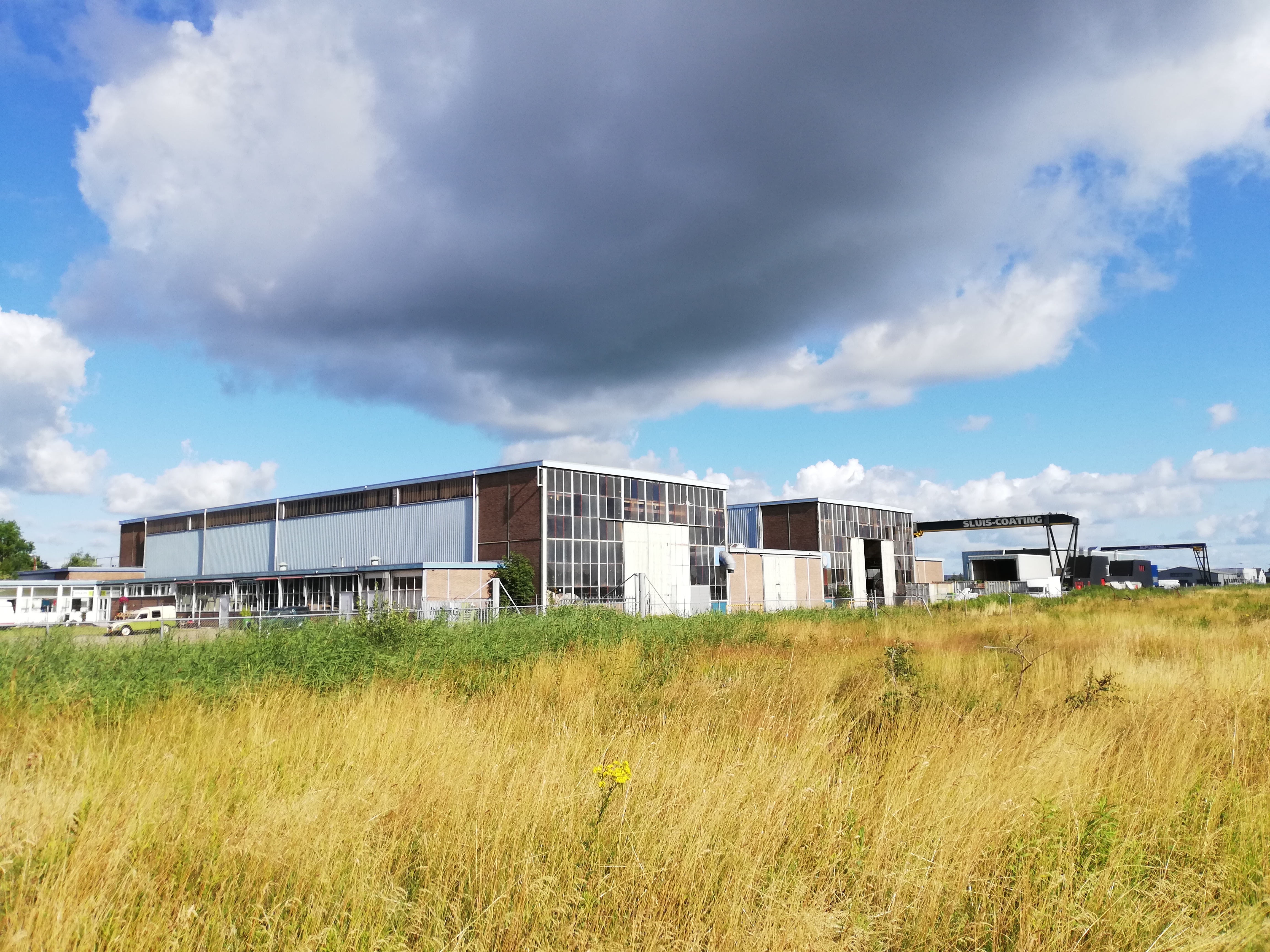
The former production halls of NV Sluis Machinefabriek.
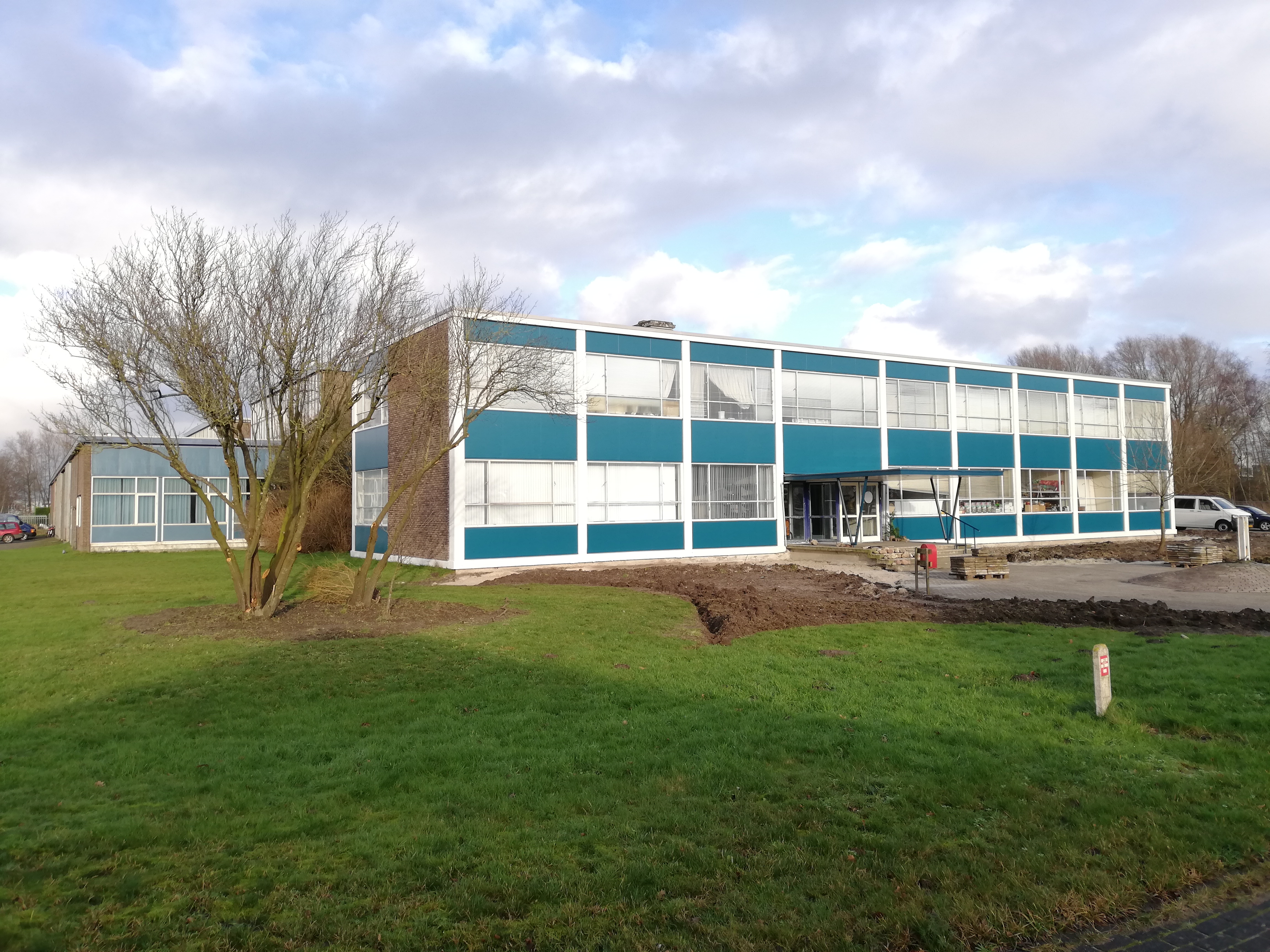
The block-shaped office building at the front.
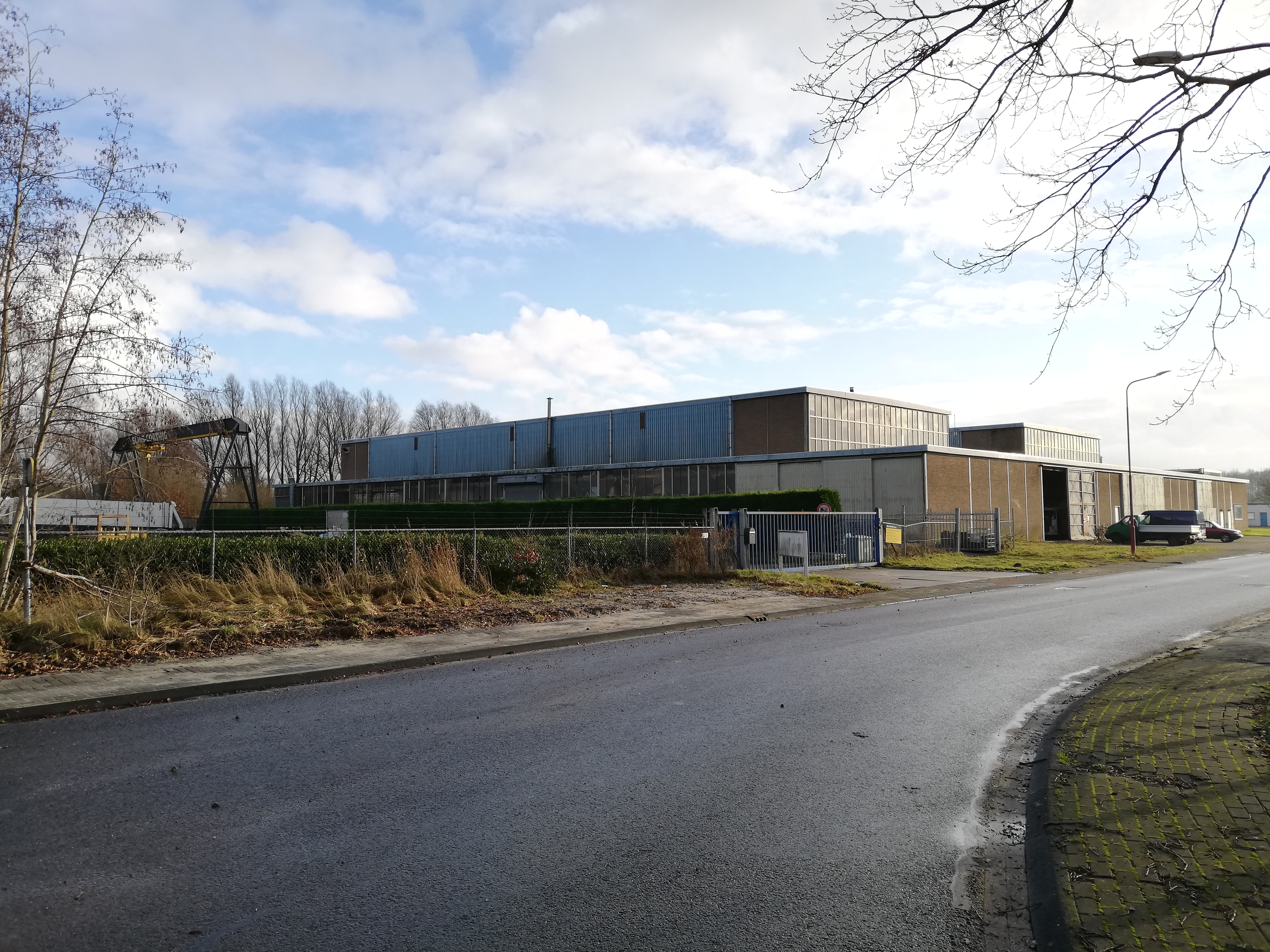
The functionalist factory complex seen from the side.
Sources: Wikipedia and sluisfabriek.nl. Photos: Wikimedia Commons (CC BY-SA).