Housed in a monumental monastery from 1937, Museum Dr8888 holds a surprising collection of modern art: from Dada to De Stijl, plus the largest funnel beaker in the Netherlands.
Contents
Architect H.H. de Graaf (Den Bosch) designs the monastery in Delft School style; on 1 April 1937 the Franciscan monks move into the building.
The municipality of Smallingerland purchases the building.
Architects Van Manen & Zwart convert the monastery into a town hall.
Architect Rein de Valk transforms the building into a museum.
The museum moves from the old grietenij/town hall on the Moleneind to its current location.
A reconstruction of Theo van Doesburg's first major design opens as a museum house on the Torenstraat.
A building with a rich history
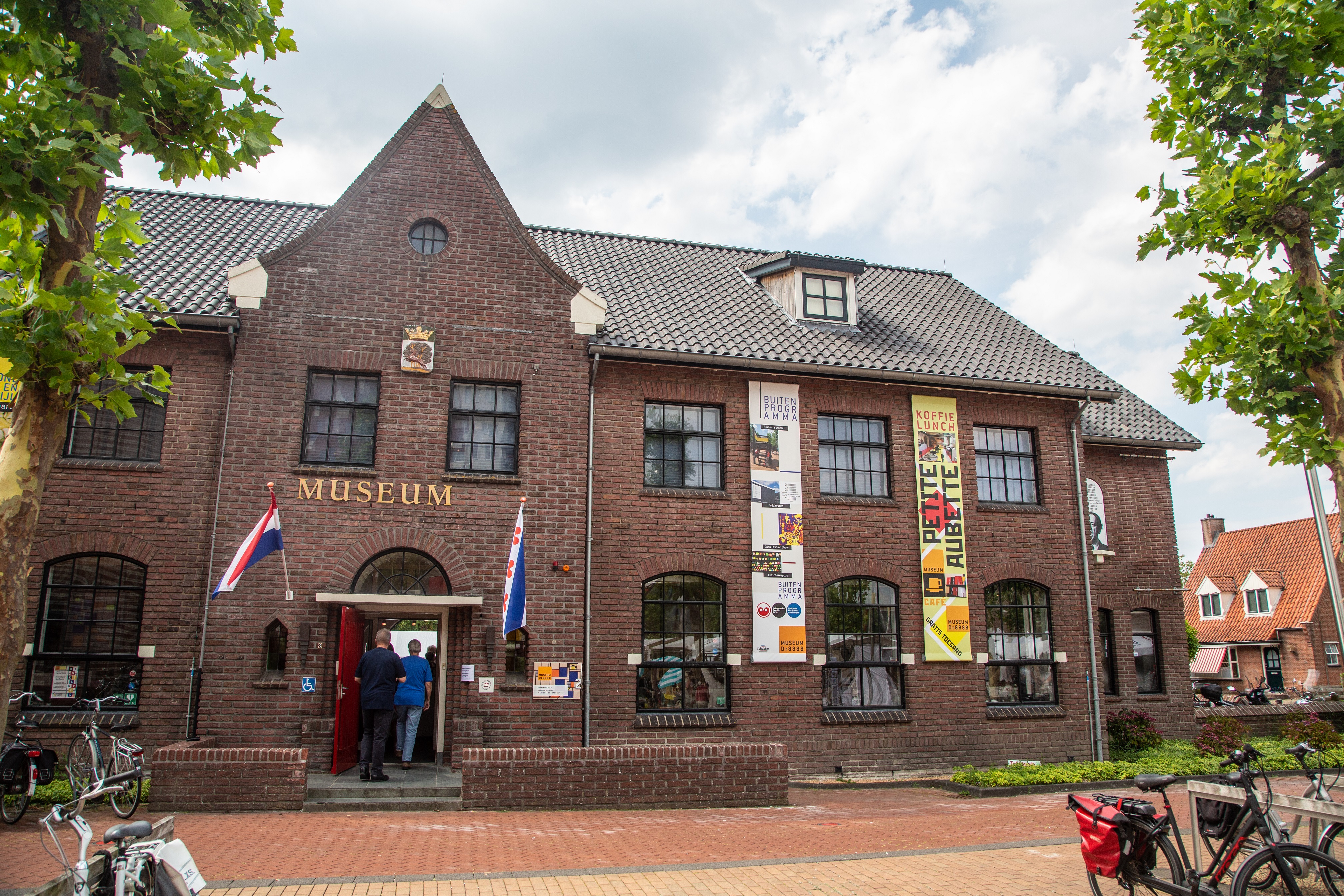
Museum Drachten is housed in a building with a long and layered history. It was built in 1937 as the Minderbroeders Monastery, designed by architect H.H. de Graaf of Den Bosch, in the sober and representative Delft School style. On 1 April 1937 the Franciscan monks, led by superior Augustus de Hart, took up residence in the monastery.
In 1970 monastic life in the building came to an end and the municipality of Smallingerland bought it. Two years later, in 1972, architects Van Manen & Zwart converted it into a town hall. It wasn't until 1994-1995 that the building underwent its current transformation: architect Rein de Valk turned it into a museum, which opened its doors on 1 January 1996 — as the successor to the museum previously housed in the old grietenij/town hall on the Moleneind. The old monastery corridor and chapel remain visible to this day, and the former monastery garden now serves as a public park. The building is a municipal monument.
Dada, De Stijl and Constructivism
Museum Dr8888 holds a surprisingly rich collection of modern art from the period 1885-1965 and beyond, with works by artists such as Theo van Doesburg, Kurt Schwitters, Thijs Rinsema, H.N. Werkman, Ids Wiersma, Gerrit Benner and Pier Pander, and the artist groups Yn'e Line and De Nachtboot. Movements such as Dada, De Stijl, Constructivism and Expressionism are well represented.
Alongside modern art, the museum also houses cultural-historical finds from the region, including the largest funnel beaker in the Netherlands, an archaeological find from a nearby burial mound.
A museum house as a time capsule
On the Torenstraat in Drachten stands the Van Doesburg-Rinsema House, a reconstruction of artist Theo van Doesburg's first major (interior) design. This special house, managed as a museum home by Museum Drachten, has been open to visitors since 2019 and offers a unique look into the early development of the De Stijl movement.
Address & visiting
Museumplein 2, Drachten
Municipal monument, roughly 19,000 visitors per year.
The museum in pictures
The former Minderbroeders Monastery in Delft School style.
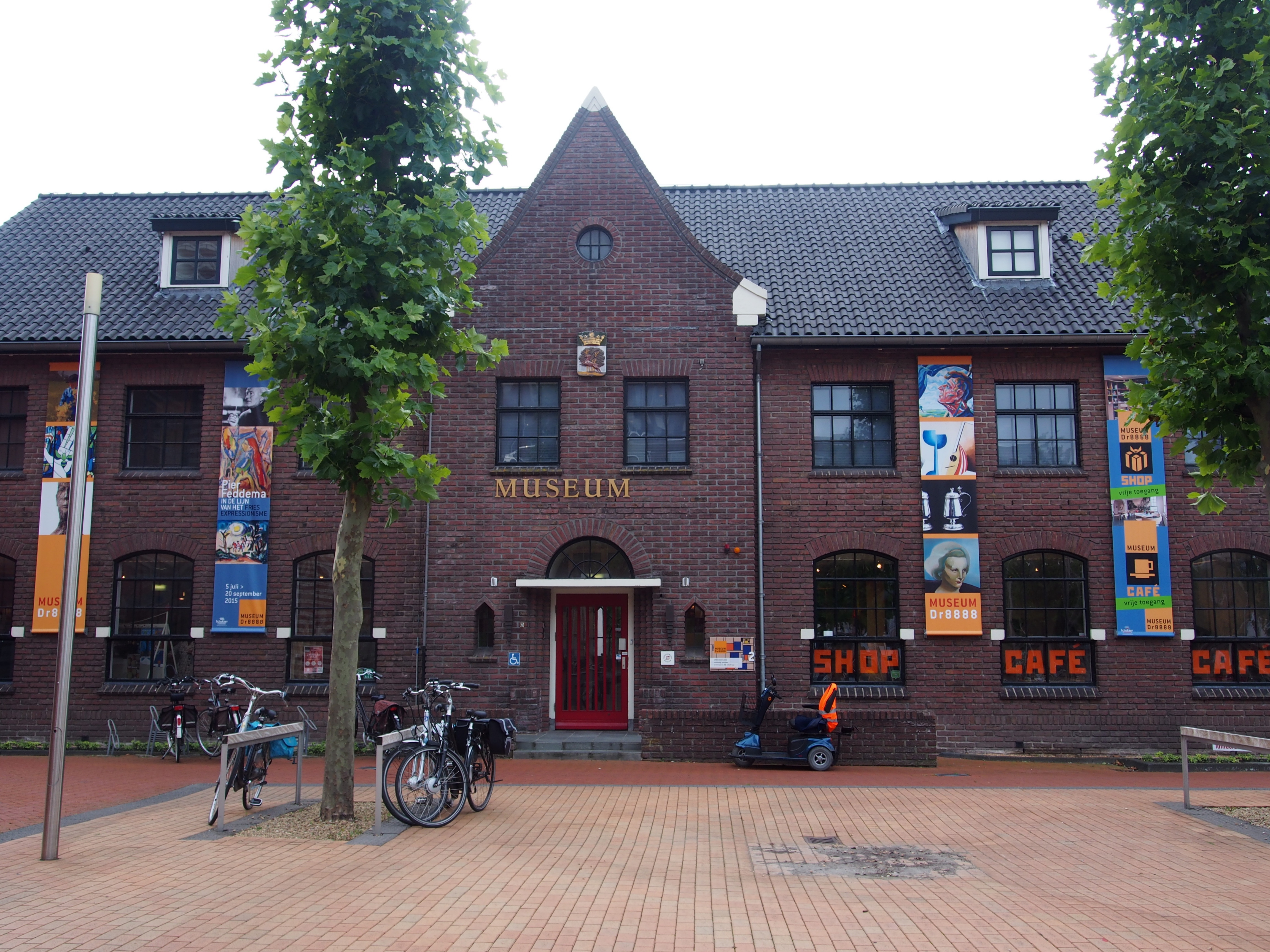
Built in 1937 by architect H.H. de Graaf.
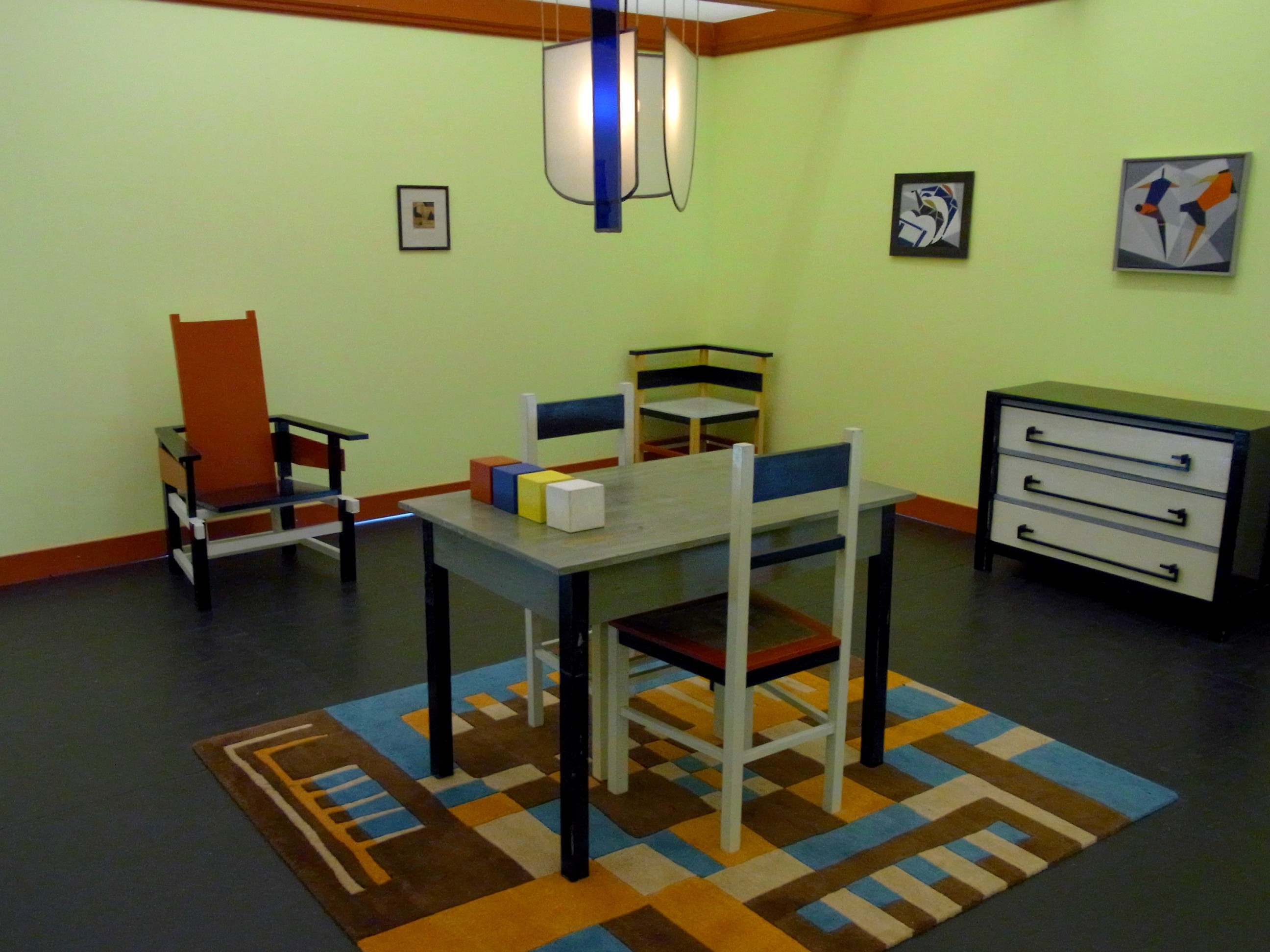
Part of the modern art collection in the museum.
Source: Wikipedia. Photos: Wikimedia Commons (CC BY-SA).